First Aid Essentials and Certification for Winter Emergencies
Knowing the first aid essentials for cold weather emergencies and having proper first aid training can make all the difference in keeping you and your loved ones safe this winter.
From frostbite during outdoor activities to slips on icy sidewalks, cold weather can bring unexpected emergencies. Being prepared is key, and having the right first aid knowledge can make all the difference. At Metropolitan Medical Corporation, we provide expert training and resources to ensure you are ready for any winter emergency.
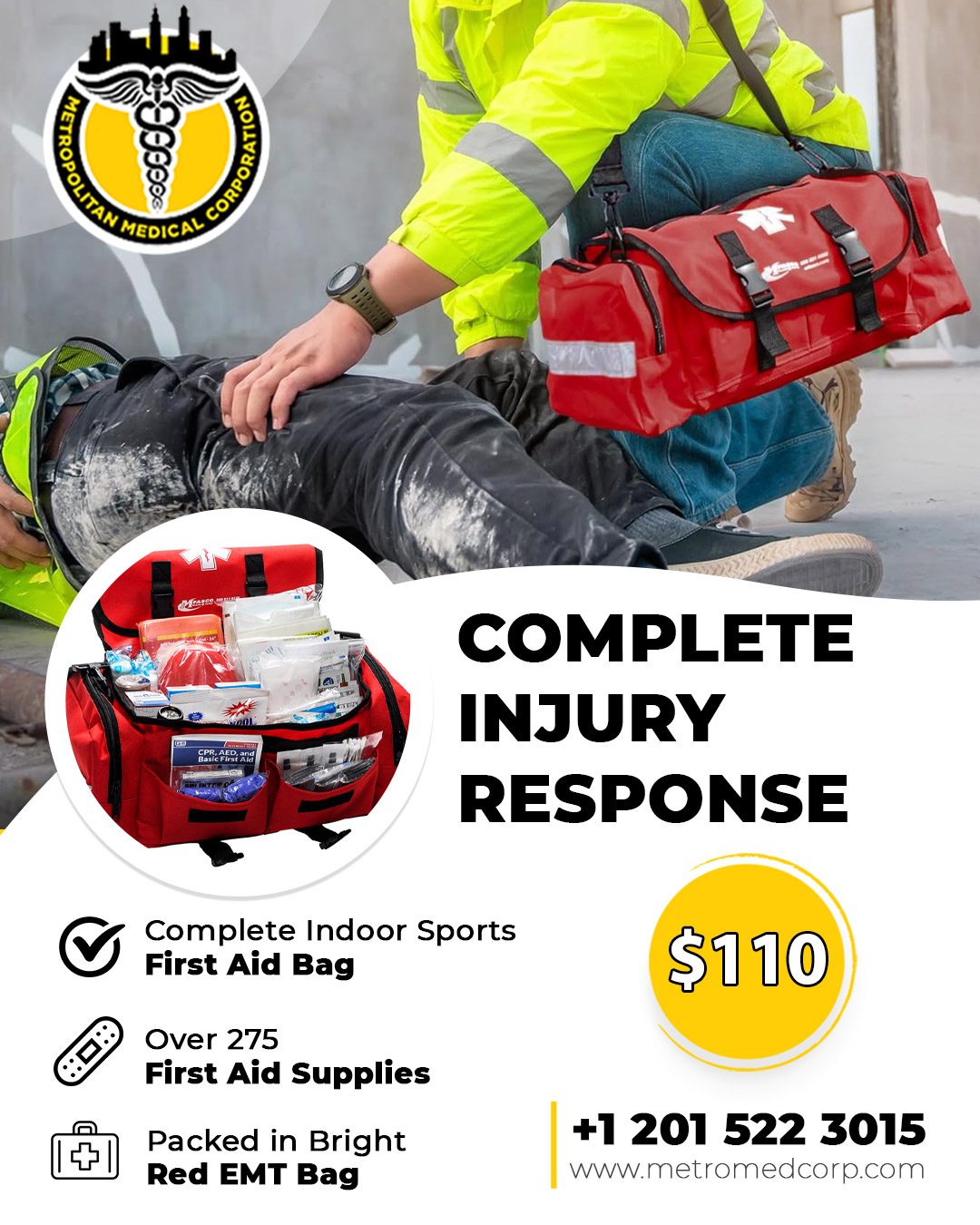
For a cold weather emergency, a first-aid kit should include standard supplies like bandages and antiseptics, as well as items to combat cold, such as thermal blankets, extra clothing layers, and hand warmers.
Hypothermia: Recognizing and Responding to Cold Exposure
Hypothermia occurs when your body loses heat faster than it can produce it, causing your core temperature to drop dangerously low. This is especially common during winter months if you’re outdoors for extended periods.
Signs and Symptoms:
- Shivering
- Slurred speech
- Slow, shallow breathing
- Weak pulse
- Confusion and drowsiness
First Aid Steps:
- Move the person to a warm, sheltered location.
- Remove wet clothing and replace it with dry, warm layers.
- Gradually warm the person with blankets, body heat, or warm drinks (avoid alcohol).
Pro Tip: Early recognition of hypothermia can prevent it from worsening. For expert guidance, enroll in Metropolitan Medical Corporation’s Adult & Pediatric CPR/AED, BLS, and First Aid certification training.
Frostbite: Protecting Extremities from the Cold
Frostbite damages the skin and underlying tissues due to extreme cold. Fingers, toes, ears, and nose are most vulnerable.
Signs of Frostbite:
- Pale or grayish-yellow skin
- Numbness or prickling sensations
- Hardened, waxy-looking skin
- Blistering in severe cases
First Aid Tips:
- Move the person to a warm location immediately.
- Do not rub the affected areas.
- Warm the skin by soaking in warm (not hot) water for 15–30 minutes.
Slips and Falls: Treating Ice-Related Injuries
Winter hazards like icy sidewalks can cause sprains, strains, or fractures. Prevention is best, but first aid knowledge is essential.
Prevention Tips:
- Wear footwear with good traction
- Use salt or sand on walkways
- Take smaller steps on icy surfaces
First Aid:
- Sprains & Strains: Use R.I.C.E. (Rest, Ice, Compression, Elevation).
- Fractures: Immobilize and seek medical help immediately.
- Head Injuries: Watch for dizziness, nausea, confusion, and seek urgent care if symptoms worsen.
Carbon Monoxide Poisoning: The Silent Winter Danger
Using heaters and stoves more frequently in winter increases the risk of CO poisoning. This colorless, odorless gas is especially dangerous in poorly ventilated spaces.
Symptoms:
- Headache, dizziness
- Nausea, vomiting
- Confusion, shortness of breath
First Aid Response:
- Evacuate to fresh air immediately.
- Administer CPR if the person is unconscious and not breathing.
Tip: For life-saving skills, enroll in Metropolitan Medical Corporation’s CPR and First Aid training.
First Aid Essentials and Training with Metropolitan Medical Corporation
Winter can bring a range of first aid challenges. Being prepared for cold-weather emergencies is crucial for your safety and that of your loved ones.
Stay ready by:
- Maintaining a winter-first-aid kit
- Taking certified courses in CPR, First Aid, BLS, and more
Metropolitan Medical Corporation offers expert certifications and essential first aid products to help you handle any winter emergency with confidence.
If your team is interested in BLS CPR & AED training or would like to learn more about LifeVac or other medical devices, don’t hesitate to reach out. We’re here to help ensure you have the training and equipment needed to respond effectively in any emergency.