loader image
Workplace & Group CPR Training in New Jersey

Workplace & Group CPR Training in New Jersey

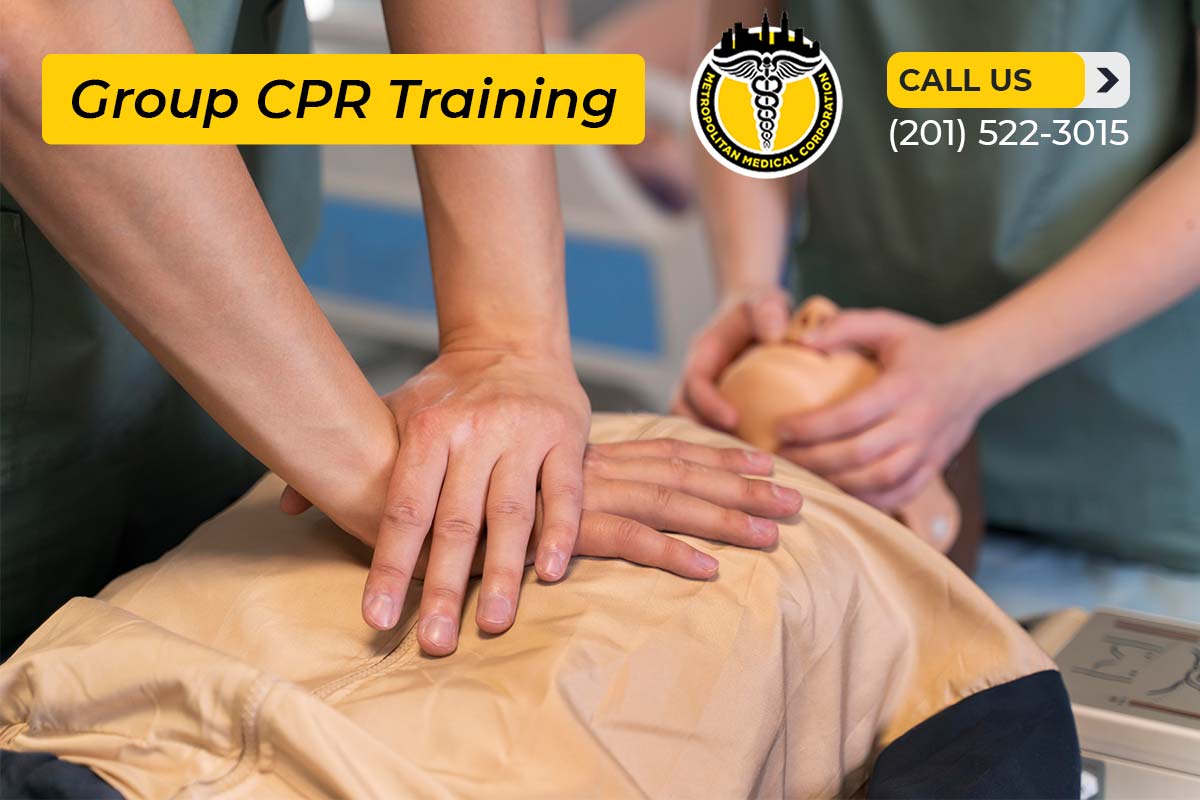
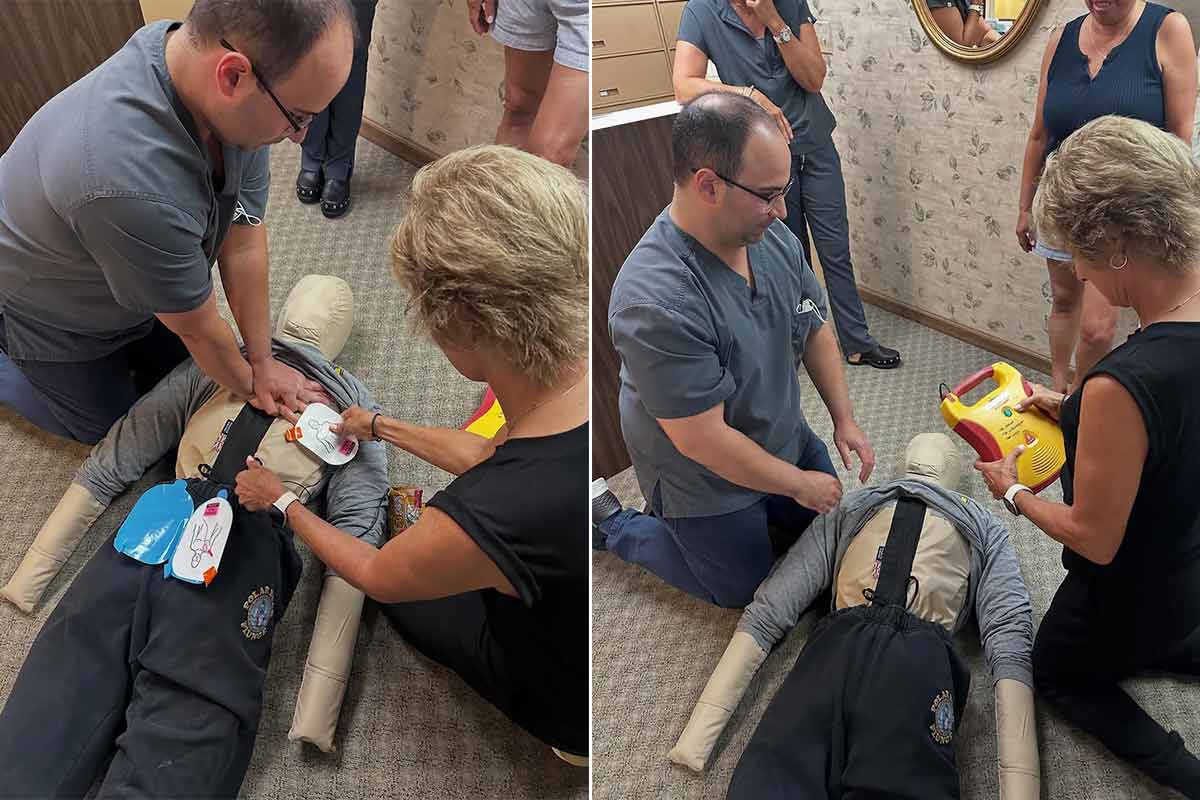
Make sure your team knows what to do in an emergency. Empower your team with life-saving skills through Metropolitan’s Group CPR Training in New Jersey. We bring BLS, CPR, First Aid, ACLS, PALS, EMT, EMR, and Bloodborne Pathogen courses directly to your office, serving schools, warehouses, and businesses of all sizes. Our professional instructors ensure hands-on, practical training tailored for your team. Choose the training time that works best for your team!

Call now at (201) 522-3015
Group CPR Training in New Jersey

Q1: Who can attend group CPR training?
A: Any team, school, warehouse, or organization looking to learn life-saving skills.

Q2: Can Metropolitan conduct training at our office?
A: Yes! We bring BLS, CPR, First Aid, ACLS, PALS, EMT, EMR, and Bloodborne Pathogen courses directly to your workplace.

Q3: How long is a group CPR training session?
A: Sessions typically last 2–4 hours depending on the course type and group size.

Q4: Can we schedule training at our preferred time?
A: Absolutely! Call now at (201) 522-3015 to pick a time that works best for your team.

Q5: Do participants receive certifications?
A: Yes! All courses come with official certifications upon completion.
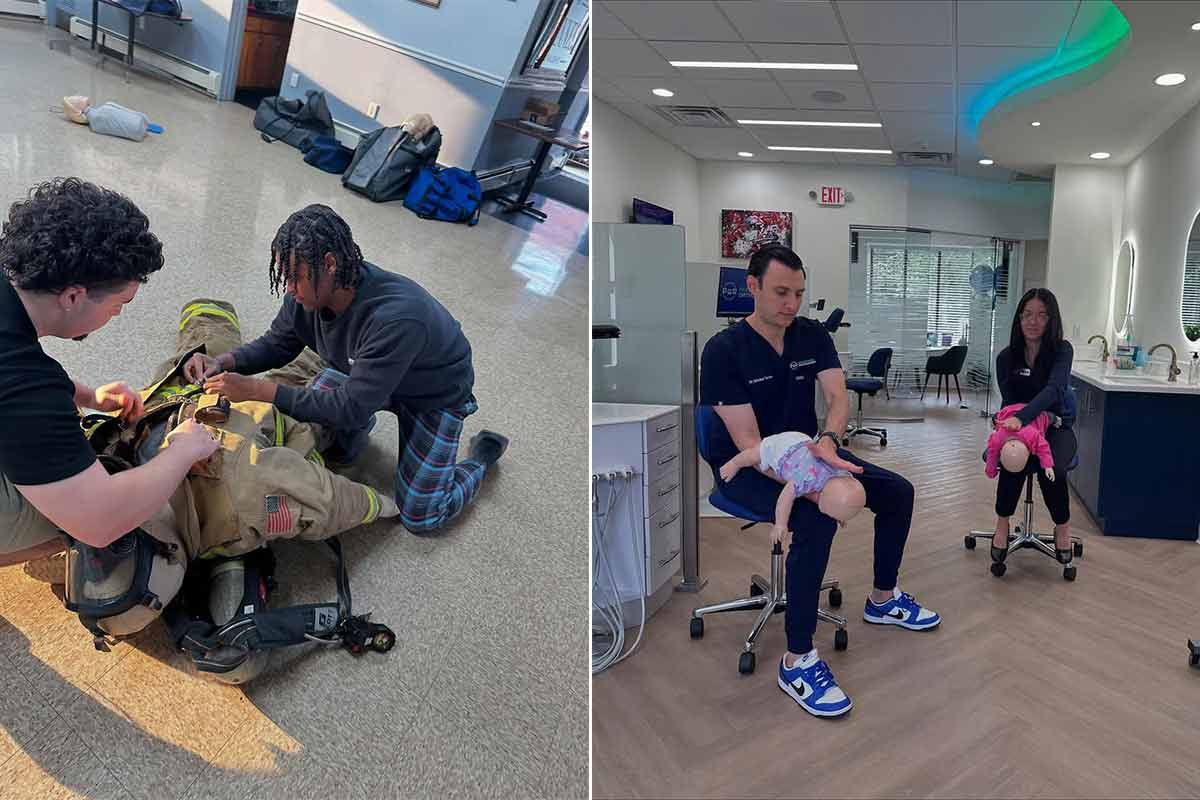
group-CPR-training-session

Why Group CPR Training Matters
Emergencies don’t wait for convenient times, and every second counts. By providing your team with CPR and first aid training, you’re not just meeting safety standards-you’re giving your employees the confidence to act quickly and save lives. Proper training reduces panic during emergencies and ensures the right procedures are followed, whether it’s a cardiac arrest, choking, or workplace injury.

Customized Training for Your Team
At Metropolitan, we understand that every workplace is different. That’s why our instructors customize each session to reflect the real scenarios your team may face. For example, a school staff group may focus on student-related emergencies, while a warehouse team may emphasize injury response and accident prevention. Hands-on practice ensures your staff is not just trained but prepared to act effectively.

Benefits Beyond Certification
While every participant leaves with official certification, the benefits go beyond paperwork:

  • Enhanced Workplace Safety: Trained employees create a safer work environment.
  • Team Confidence: Staff know how to respond calmly under pressure.
  • Reduced Liability: Proper training can help organizations meet OSHA and other workplace safety requirements.
  • Positive Workplace Culture: Investing in employee safety shows you care, boosting morale and trust.

Schedule a Group CPR Training session today
We know your team has busy schedules. That’s why we offer flexible training times and come directly to your location. Whether it’s a morning session, lunch-and-learn, or after-hours program, we work around your team’s availability to ensure maximum participation without disrupting your workflow.
Don’t wait for an emergency to happen – be proactive and prepared. Protect your employees, students, or staff by scheduling a Group CPR Training session today.
Call (201) 522-3015 to discuss course options, schedule your session, and give your team the life-saving skills they need.

Read More

First Aid Essentials and Certification for Winter Emergencies

Knowing the first aid essentials for cold weather emergencies and having proper first aid training can make all the difference in keeping you and your loved ones safe this winter.

From frostbite during outdoor activities to slips on icy sidewalks, cold weather can bring unexpected emergencies. Being prepared is key, and having the right first aid knowledge can make all the difference. At Metropolitan Medical Corporation, we provide expert training and resources to ensure you are ready for any winter emergency.

For a cold weather emergency, a first-aid kit should include standard supplies like bandages and antiseptics, as well as items to combat cold, such as thermal blankets, extra clothing layers, and hand warmers.

Hypothermia: Recognizing and Responding to Cold Exposure

Hypothermia occurs when your body loses heat faster than it can produce it, causing your core temperature to drop dangerously low. This is especially common during winter months if you’re outdoors for extended periods.

Signs and Symptoms:

  • Shivering
  • Slurred speech
  • Slow, shallow breathing
  • Weak pulse
  • Confusion and drowsiness

First Aid Steps:

  1. Move the person to a warm, sheltered location.
  2. Remove wet clothing and replace it with dry, warm layers.
  3. Gradually warm the person with blankets, body heat, or warm drinks (avoid alcohol).

Pro Tip: Early recognition of hypothermia can prevent it from worsening. For expert guidance, enroll in Metropolitan Medical Corporation’s Adult & Pediatric CPR/AED, BLS, and First Aid certification training.

Frostbite: Protecting Extremities from the Cold

Frostbite damages the skin and underlying tissues due to extreme cold. Fingers, toes, ears, and nose are most vulnerable.

Signs of Frostbite:

  • Pale or grayish-yellow skin
  • Numbness or prickling sensations
  • Hardened, waxy-looking skin
  • Blistering in severe cases

First Aid Tips:

  1. Move the person to a warm location immediately.
  2. Do not rub the affected areas.
  3. Warm the skin by soaking in warm (not hot) water for 15–30 minutes.

Slips and Falls: Treating Ice-Related Injuries

Winter hazards like icy sidewalks can cause sprains, strains, or fractures. Prevention is best, but first aid knowledge is essential.

Prevention Tips:

  • Wear footwear with good traction
  • Use salt or sand on walkways
  • Take smaller steps on icy surfaces

First Aid:

  • Sprains & Strains: Use R.I.C.E. (Rest, Ice, Compression, Elevation).
  • Fractures: Immobilize and seek medical help immediately.
  • Head Injuries: Watch for dizziness, nausea, confusion, and seek urgent care if symptoms worsen.

Carbon Monoxide Poisoning: The Silent Winter Danger

Using heaters and stoves more frequently in winter increases the risk of CO poisoning. This colorless, odorless gas is especially dangerous in poorly ventilated spaces.

Symptoms:

  • Headache, dizziness
  • Nausea, vomiting
  • Confusion, shortness of breath

First Aid Response:

  1. Evacuate to fresh air immediately.
  2. Administer CPR if the person is unconscious and not breathing.

Tip: For life-saving skills, enroll in Metropolitan Medical Corporation’s CPR and First Aid training.

First Aid Essentials and Training with Metropolitan Medical Corporation

Winter can bring a range of first aid challenges. Being prepared for cold-weather emergencies is crucial for your safety and that of your loved ones.

Stay ready by:

  • Maintaining a winter-first-aid kit
  • Taking certified courses in CPR, First Aid, BLS, and more

Metropolitan Medical Corporation offers expert certifications and essential first aid products to help you handle any winter emergency with confidence.

If your team is interested in BLS CPR & AED training or would like to learn more about LifeVac or other medical devices, don’t hesitate to reach out. We’re here to help ensure you have the training and equipment needed to respond effectively in any emergency.

Call now (201) 522-3015

Read More
Why Summer Increases the Risk of Cardiac Arrest?

Why Summer Increases the Risk of Cardiac Arrest?

AED Training

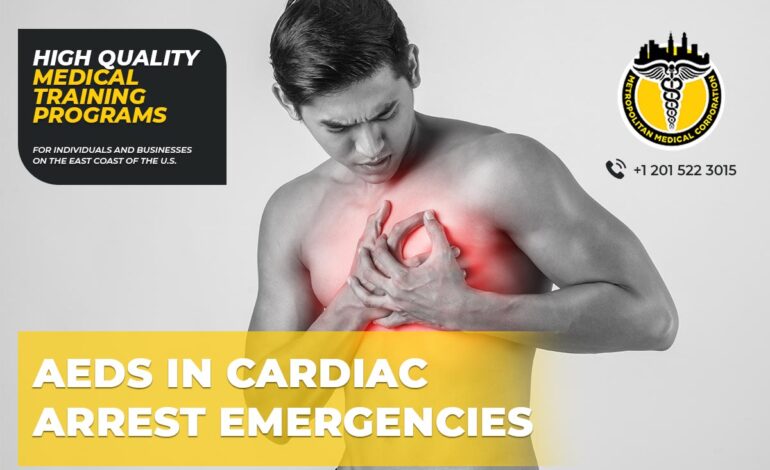
Automated External Defibrillators (AEDs) in Cardiac Arrest Emergencies

When summer hits, we all get excited about sunshine, vacations, pool parties, and outdoor fun. But along with the heat and seasonal activities comes an increase in certain medical emergencies – especially cardiac arrest.

In fact, summer conditions can heighten the risk of sudden cardiac arrest due to extreme temperatures, physical exertion, and water-related incidents. That’s why it’s so important to be prepared – and one of the best ways to do that is by having an Automated External Defibrillator (AED) on hand.

Automated external defibrillators: Do you need an AED?

Whether it’s the blazing sun or the adrenaline of a swim meet, several summer-specific factors can raise the risk of heart issues:

  • Dehydration and heatstroke can place extra strain on the heart.
  • Increased physical activity (hiking, sports, swimming) can trigger heart problems in vulnerable individuals.
  • Cold water shock or sudden immersion in pools or lakes can induce arrhythmias or cardiac arrest, even in young, healthy individuals.

In these moments, every second counts. Being able to recognize the signs and take immediate action can mean the difference between life and death.

Signs of Sudden Cardiac Arrest

It’s important to know what to look for. Symptoms of sudden cardiac arrest include:

  • Sudden collapse
  • No pulse or breathing
  • Loss of consciousness
  • Chest pain or discomfort right before the event

What Is an Automated External Defibrillator (AED)?

An AED is a lightweight, portable device that delivers an electric shock to help the heart restart in a person suffering from sudden cardiac arrest.

They’re designed to be user-friendly, even for individuals without medical training. Voice prompts guide you through each step – making it possible for bystanders to save lives before emergency personnel arrive.

You can now find Automated External Defibrillators (AEDs) in many public and private spaces where emergencies can happen, including:

  • 🏫 Schools
  • ✈️ Airports
  • 🏛️ Government buildings
  • 🏋️‍♂️ Gyms
  • 🏢 Offices and public parks

Whether you’re caring for a loved one with a heart condition or simply want peace of mind, having an AED at home ensures your family is always prepared in case of a cardiac emergency.

Let us help you choose the right AED for your household. Because when it comes to your family’s safety, every second counts.

Who Should Consider Having an AED?

  • Have a personal or family history of heart disease
  • Live far from emergency services
  • Work in high-risk environments or remote areas
  • Care for elderly family members or those with chronic conditions

How to Use an AED: First Aid Training Saves Lives

Using an AED doesn’t require medical experience, but taking a First Aid or CPR/AED certification class can give you the confidence to act in an emergency.

Here are the basic steps:

  1. Turn on the AED and follow the audio prompts.
  2. Expose the person’s chest and attach the electrode pads as shown.
  3. Make sure no one is touching the person.
  4. Let the AED analyze the heart rhythm.
  5. If needed, the AED will advise a shock—press the button to deliver it.
  6. Begin CPR if instructed and continue until help arrives.

Sudden cardiac arrest can happen anytime, anywhere. Being trained and equipped to handle it makes you a lifesaver. This summer, make safety a priority. Know the signs, learn CPR, and consider adding an AED to your emergency kit.

Need help choosing the right AED or safety equipment for your location?
Contact us today and let our team help you stay protected all season long.

Read More
AEDs for Police

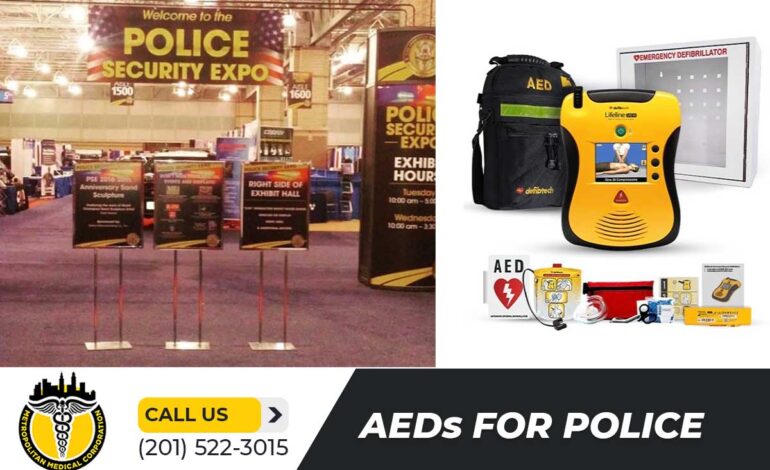
AEDs for Police: How Officers Save Lives Faster Than Ambulances

AED Training

Every year, more than 350,000 people in the United States suffer sudden cardiac arrest (SCA) outside of hospitals.

  1. The chances of survival decrease by 7 to 10 percent for every minute that passes without defibrillation.
  2. In busy metropolitan areas, where seconds matter most, equipping police vehicles with Automated External Defibrillators (AEDs) can be a game-changer in saving lives.

Why AEDs in Police Vehicles Matter

Police officers are often the first responders to arrive at the scene of an emergency, including sudden cardiac arrest incidents. Their proximity and rapid response time make them uniquely positioned to provide immediate life-saving care.

While Emergency Medical Services (EMS) average a seven-minute response time, this delay can be deadly in cardiac emergencies. AEDs in police cruisers allow officers to deliver defibrillation without waiting for an ambulance, increasing the chance of survival.

How AEDs Help Save Lives During Sudden Cardiac Arrest

AEDs are easy-to-use, portable devices that analyze a victim’s heart rhythm and deliver an electric shock if needed to restore a normal heartbeat.

They provide clear voice and visual instructions, allowing trained police officers and even bystanders to administer potentially life-saving defibrillation quickly and effectively.

The Gap in AED Access for Police

Despite 80% of police forces responding to medical emergencies, only about 31% of police vehicles are equipped with AEDs. This gap highlights the urgent need for law enforcement agencies to prioritize AED programs to better serve their communities during sudden cardiac arrest events.

Steps Police Officers Take Using AEDs

  1. Start CPR immediately upon identifying cardiac arrest.
  2. Retrieve and operate the AED device.
  3. Attach electrode pads to the victim’s chest as guided.
  4. Deliver a shock if advised, ensuring safety protocols are followed.
  5. Continue CPR and follow AED prompts until EMS arrives.

Saving More Lives with AEDs and Police Collaboration

Equipping police vehicles with AEDs transforms law enforcement officers into critical first responders for sudden cardiac arrest emergencies. The combination of rapid response, CPR, and early defibrillation can dramatically improve survival rates in metropolitan communities.

By expanding AED accessibility within police departments, more lives can be saved every year.

How To Use Defibtech Lifeline AED

Metropolitan Medical is proud to support first responders with the technology and knowledge they need to save lives.

Read More
CPR & AED Certification for Massage and Wellness Centers in NJ

CPR & AED Certification for Massage and Wellness Centers in NJ

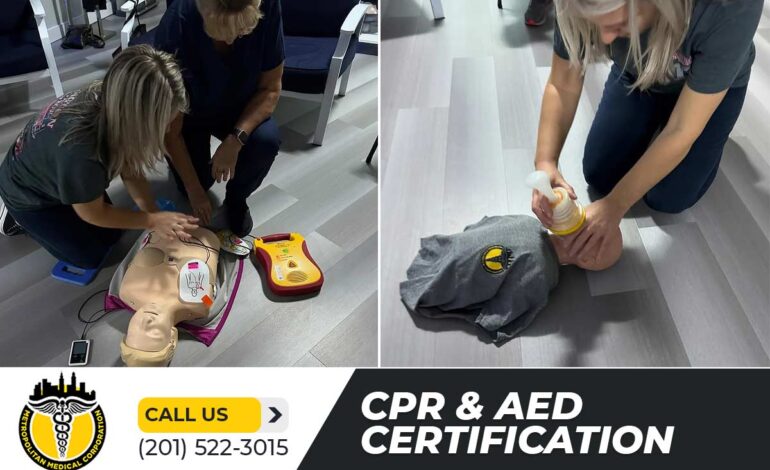
Team members from Zen Massage Center in Maywood, NJ and Blue Amber Spa & Wellness Center in Wallington, NJ took an important step in safety and professional development—they completed the American Heart Association Heartsaver CPR & AED certification course.

The training covered Infant, Child, and Adult CPR, how to properly use an Automated External Defibrillator (AED), and how to respond to choking emergencies. These are life-saving skills that go far beyond the treatment room – they empower staff to act quickly and confidently in critical moments, whether at work or out in the community.

During the session, staff members asked great questions, participated actively, and walked away with valuable knowledge. At Metropolitan Medical Corporation, we believe every wellness center should have certified team members who are trained to handle emergencies. Whether you run a massage center, spa, or wellness facility, CPR and AED certification are essential.

We thank all the professionals who attended and look forward to seeing more centers join us in our upcoming training sessions.

What Is CPR and Why Is It Important?

CPR (Cardiopulmonary Resuscitation) is a life-saving technique used when someone’s heart stops beating. By performing chest compressions and rescue breaths, you help keep blood and oxygen flowing to the brain and vital organs. In many cases, especially in spas, wellness centers, or massage clinics, staff may be the first to respond in an emergency – making CPR training crucial for massage therapists and wellness professionals.

What Is an AED?

An AED (Automated External Defibrillator) is a portable device that can analyze the heart’s rhythm and, if needed, deliver an electrical shock to help re-establish a normal heartbeat. It’s simple to use and gives step-by-step voice instructions. Knowing how to use an AED in an emergency can drastically improve survival rates during sudden cardiac arrest.

How to Respond to Choking Emergencies: Training with LifeVac

Choking can happen suddenly, and quick action is essential. In wellness centers, where clients may be eating or drinking before or after treatments, it’s important to be prepared for such emergencies. While traditional methods like the Heimlich maneuver are commonly used, sometimes they may not be effective. That’s where LifeVac comes in.

What Is LifeVac?

LifeVac is a life-saving device designed to assist in choking emergencies when standard methods aren’t successful. It’s simple to use, non-invasive, and works by creating a vacuum seal over the victim’s mouth and nose. With a single pull, LifeVac generates suction strong enough to help dislodge an obstruction from the airway, restoring normal breathing.

LifeVac Choking First Aid Device

In addition to CPR and AED renewal, the staff was introduced to the LifeVac Choking First Aid Device—a life-saving tool designed to help clear blocked airways during choking emergencies. LifeVac provides a simple, non-invasive solution when traditional methods like the Heimlich maneuver fail or cannot be administered (e.g., in cases where the individual is in a wheelchair or has a medical condition that complicates standard procedures). The staff at Margolin Dental Associates now has this powerful tool at their disposal, further ensuring the safety of their patients in any emergency. Whether it’s a medical procedure or an unexpected choking incident, having access to LifeVac adds an extra layer of preparedness and confidence to the team’s already exceptional care.

Why Use LifeVac in Wellness Centers?

Wellness centers, spas, and massage therapists are often in close contact with clients, making them well-positioned to recognize and respond to choking incidents. However, not all staff members may be trained in traditional first aid. Having LifeVac on hand ensures that if a choking emergency occurs, there’s a reliable tool available that can help when other methods fail. Ready to Get Certified?

At Metropolitan Medical Corporation, we ensure that your team is prepared for any emergency, including choking incidents. We offer comprehensive CPR and AED certification courses tailored to wellness and massage centers across New Jersey.

Contact us today to schedule your next certification session and ensure your staff is ready to act confidently and effectively in any emergency situation. Phone: (201) 522-3015
Read More