Workplace CPR & First Aid Training for Carlstadt Warehouses: We Come to You
Train your whole crew at your warehouse, around your shifts, without shutting down the floor.
Running a warehouse in Carlstadt means trucks in and out all day, shifts that never quite line up, and a team that’s always on the move. Between receiving, picking, loading and shipping, there’s rarely a quiet hour. Finding time to send everyone to an outside class? That’s usually where safety training stalls.
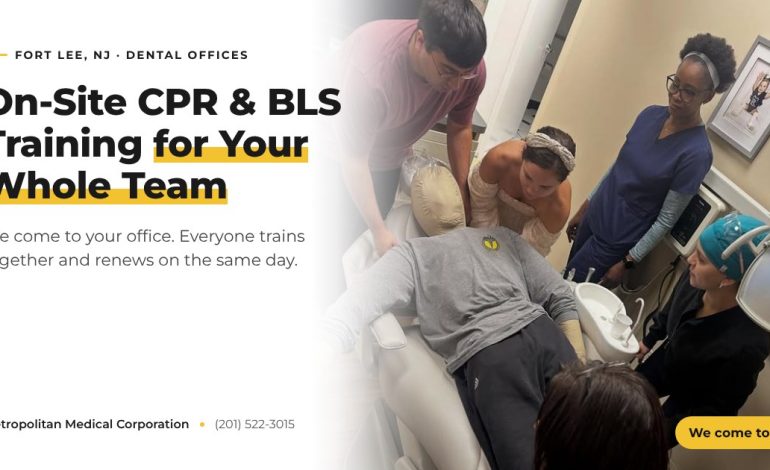
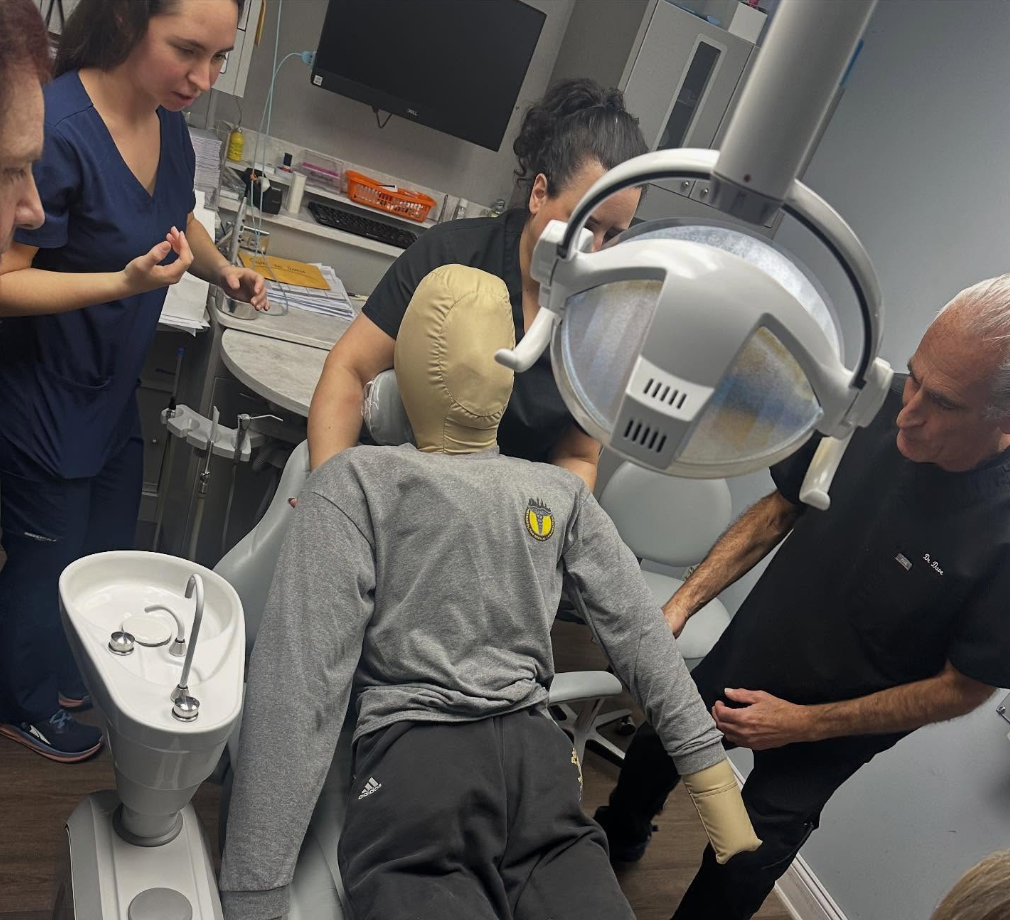
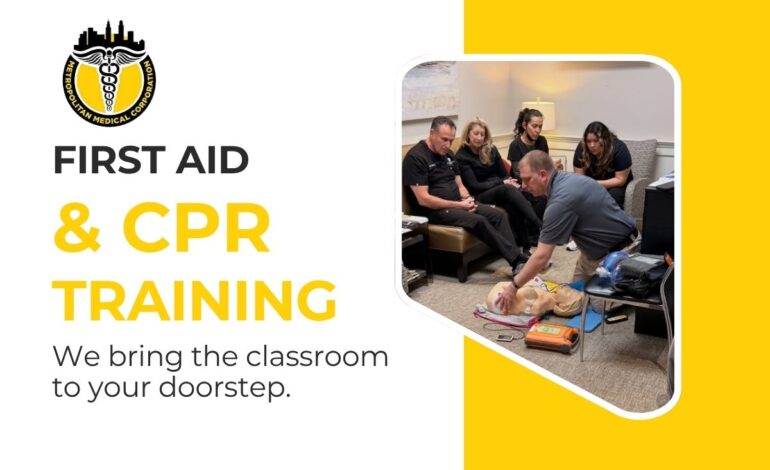
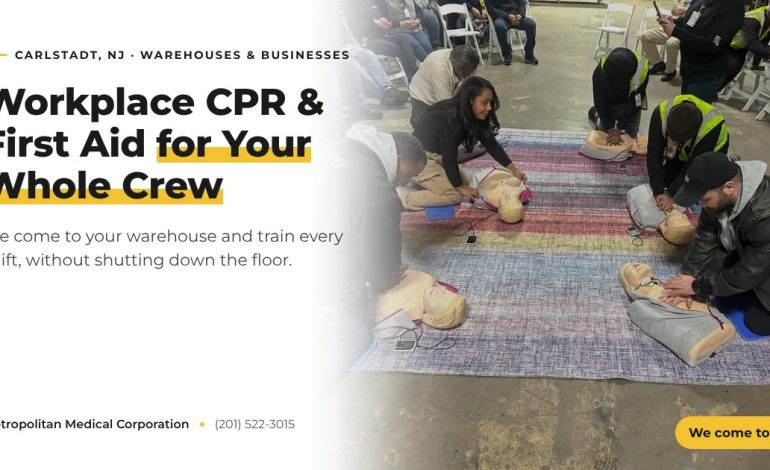
At Metropolitan Medical Corporation, we make it simple. We bring workplace CPR and First Aid training right to your Carlstadt facility. Your whole crew trains together, on your schedule, in your own building. And Rescue Bobby, our hard-working training manikin, rides along.
Whether you run a distribution center in the Meadowlands, a small storage operation or a busy loading dock, this guide covers what OSHA expects, what your team will learn, and how to get everyone certified without slowing down the work.
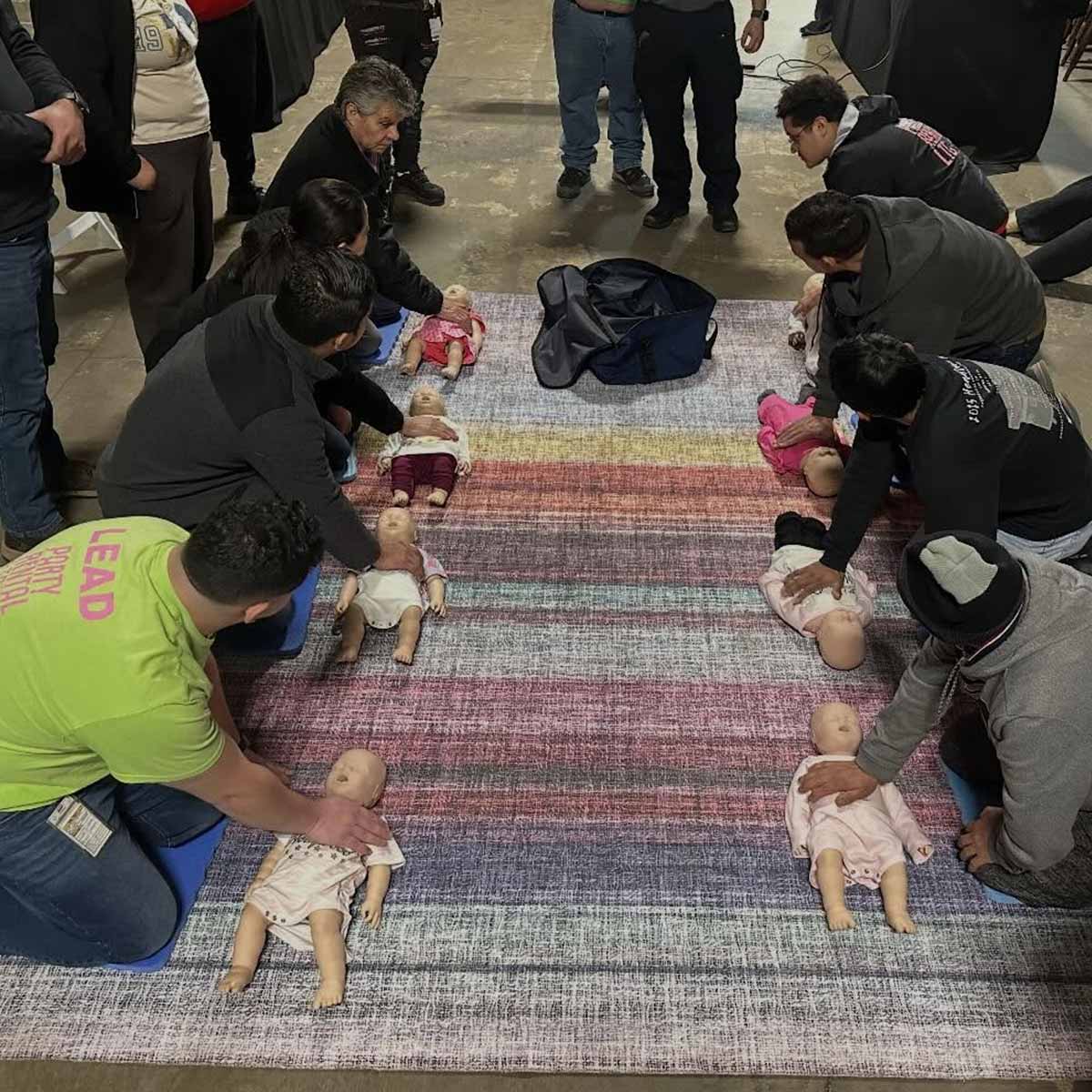
Why Carlstadt Warehouses Choose On-Site CPR Training
Pulling workers off the floor for a full day across town costs you shifts, deliveries and overtime. Training at your location fixes that.
- We come to you. A break room, training room or a clear spot near the loading dock is all we need.
- Built around your shifts. We can schedule sessions for day, evening or weekend crews, so every shift gets covered.
- Everyone trains together. Supervisors, forklift operators, pickers and office staff learn the same steps and certify on the same day.
- Real-world practice. Your team learns how to respond in the space where they actually work, not in a classroom miles away.
- One point of contact. One call schedules the training, the certification cards and any first aid supplies you need.
We’re based just minutes away in Lyndhurst, and we also train teams in East Rutherford, Moonachie, Wood-Ridge, Secaucus and Rutherford.
OSHA First Aid Training Requirements for Warehouses
OSHA’s first aid rule, 29 CFR 1910.151(b), is short but important. If there’s no infirmary, clinic or hospital in near proximity to your workplace, you need a person or persons adequately trained to render first aid, and first aid supplies must be readily available.
How close is “near”? In its official interpretation, OSHA says that where serious injuries can happen, such as falls or machinery accidents, emergency care should be available within 3 to 4 minutes. Lower-risk settings like offices may allow longer.
Even with a hospital nearby, traffic around the Meadowlands, a large building or a busy yard can stretch the time before help reaches an injured worker. For most warehouses, the practical answer is the same: have trained people on site, on every shift.
The Injuries Warehouse Teams Train For
Every warehouse is different, but the same emergencies come up again and again. Good first aid training prepares your team for the ones they’re most likely to see:
- Cuts and lacerations from box cutters, strapping, pallets and sharp packaging
- Falls from loading docks, ladders, racking and slippery floors
- Crush and pinch injuries around forklifts, pallet jacks and dock doors
- Sprains, strains and broken bones from lifting, twisting and trips
- Heat illness in summer and cold stress near open dock doors in winter
- Sudden medical emergencies such as fainting, seizures, diabetic emergencies or allergic reactions
- Choking in the break room
- Sudden cardiac arrest, which can happen to anyone, at any age
The goal isn’t to turn your crew into paramedics. It’s to make sure someone on every shift knows exactly what to do in the first few minutes, until EMS takes over.
Sudden Cardiac Arrest Can Happen on Any Shift
Sudden cardiac arrest doesn’t only happen to people with known heart problems. OSHA has estimated that about 10,000 sudden cardiac arrests happen at work, and that survival can reach up to 60% when defibrillation happens right away, compared with just 5–7% when a victim waits for EMS (OSHA fact sheet).
That’s why CPR and AED skills belong in every workplace program. When a coworker collapses, the people nearby are the ones who can keep blood flowing and deliver a shock before the ambulance arrives.
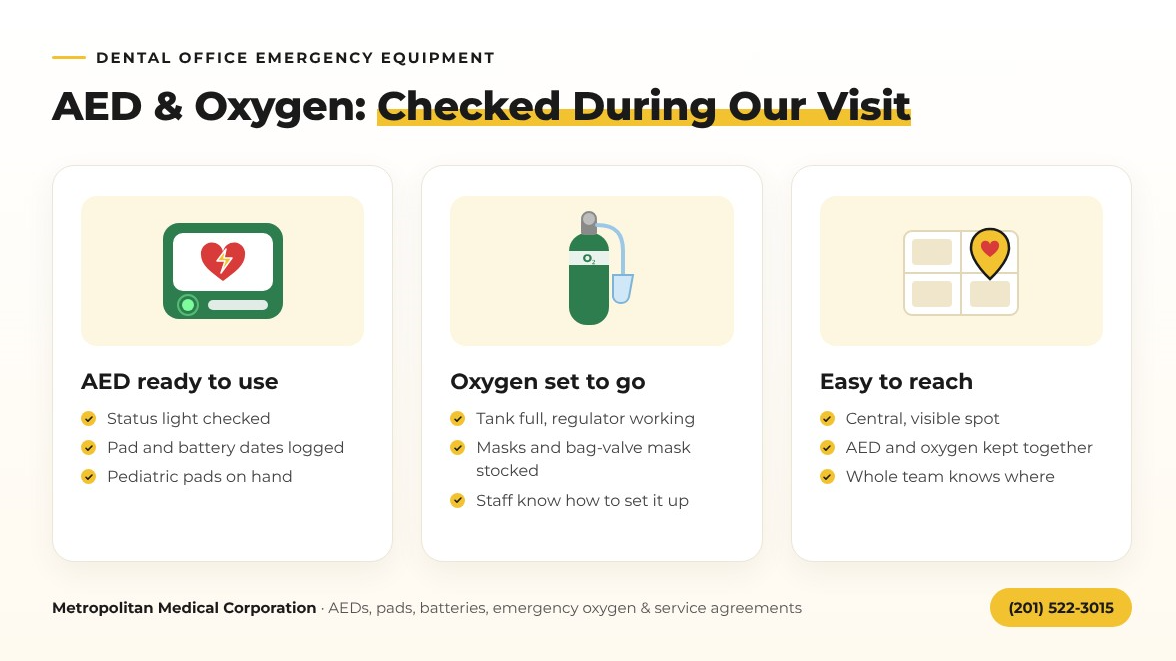
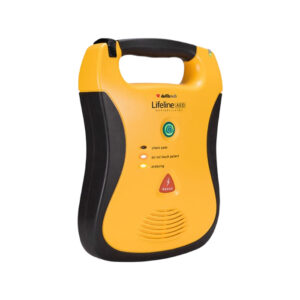
There’s no national rule that requires most employers to have an AED. Still, for a large building with dozens of workers, an AED placed in a central, easy-to-reach spot is one of the best safety investments you can make. Our training shows your team how simple an AED is to use: it talks you through every step.
What Your Team Learns in Workplace CPR & First Aid Training
Our workplace sessions follow American Heart Association (AHA) and American Safety & Health Institute (ASHI) guidelines. Depending on your needs, your team practices:
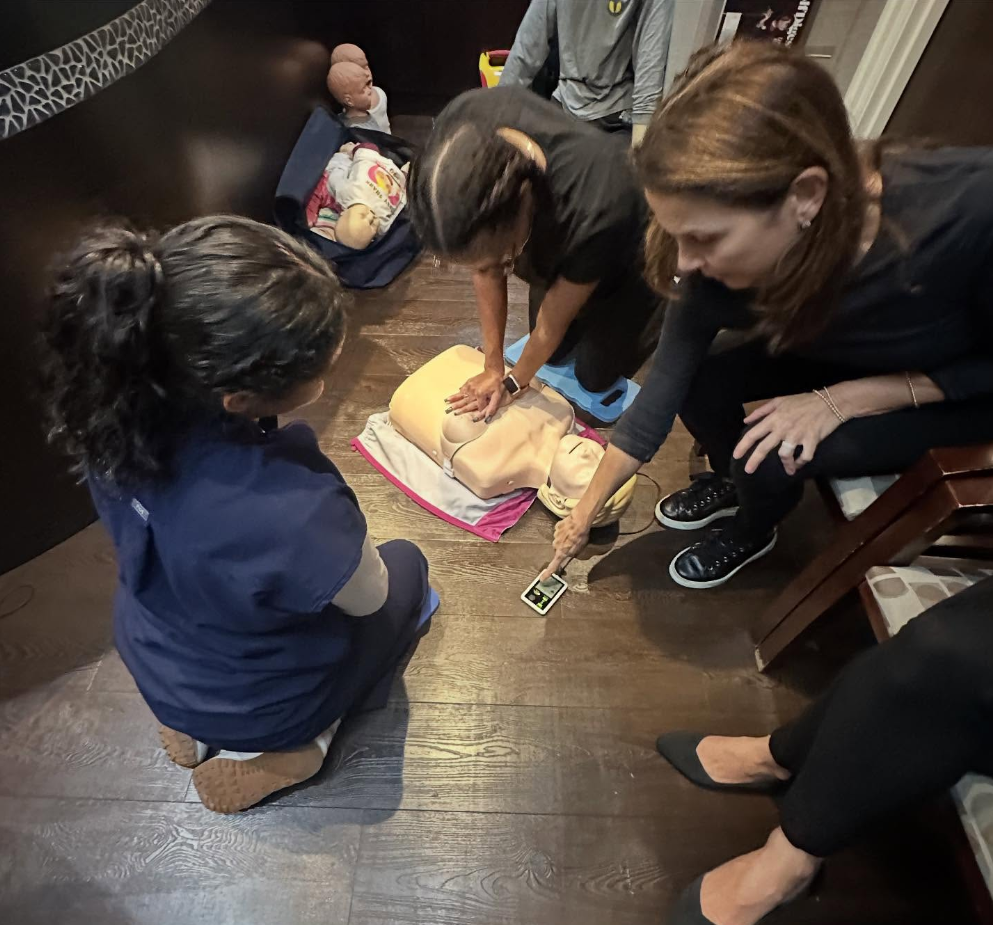
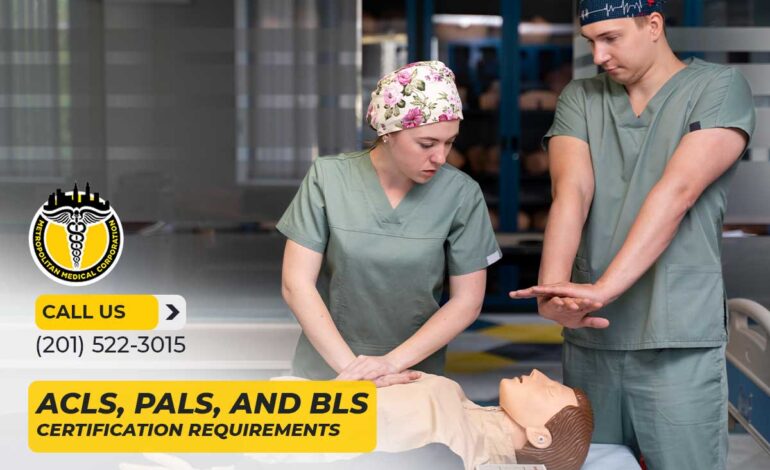
- Adult CPR on manikins with real-time feedback devices that show if compressions are deep and fast enough
- AED use, with training units that work just like the real thing
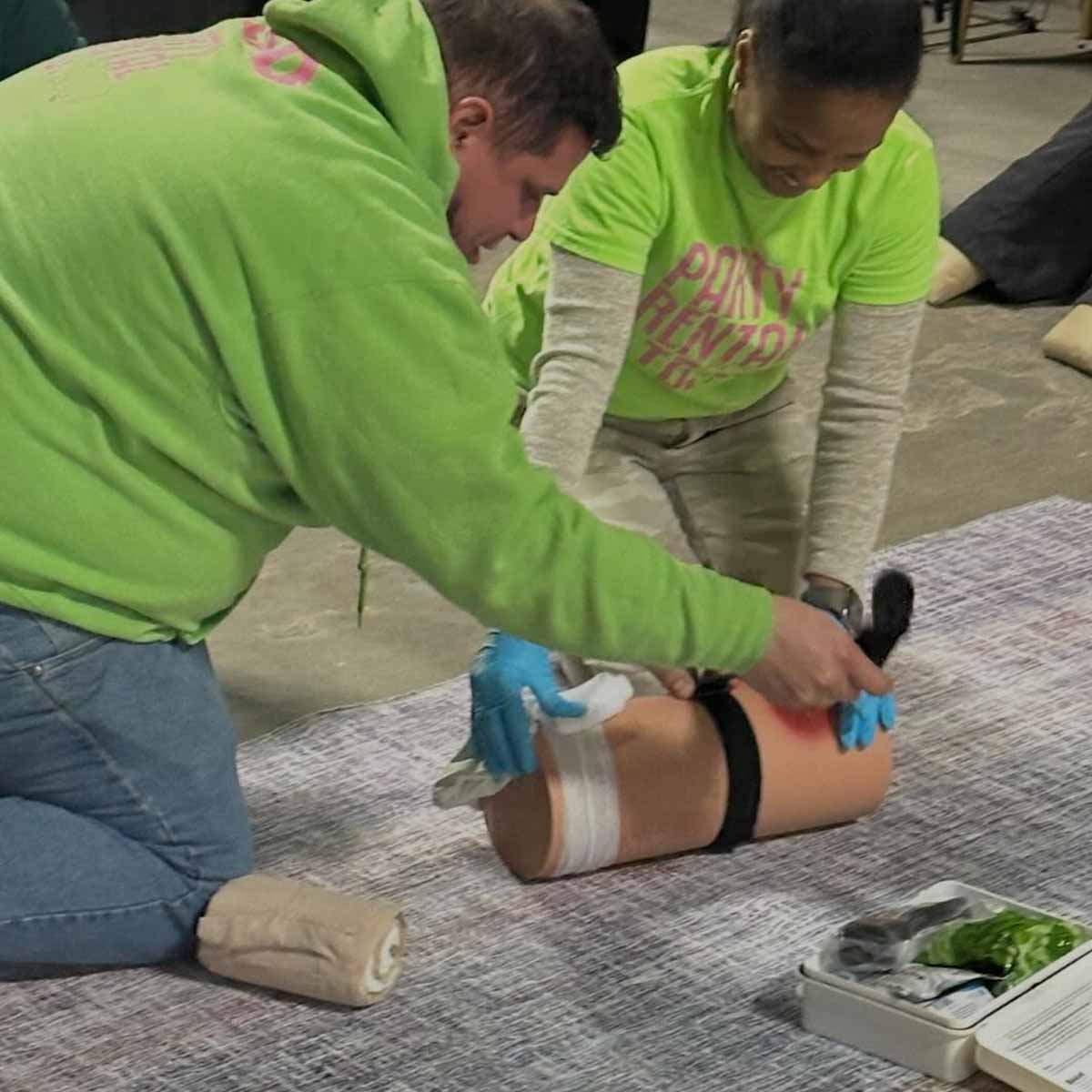
- Bleeding control for cuts and serious wounds
- First aid basics for burns, sprains, broken bones and shock
- Choking response for conscious and unconscious adults
- When and how to call 911, and what to do until EMS arrives
Need more? We can add Bloodborne Pathogens training for staff who may handle injuries or clean up after them.
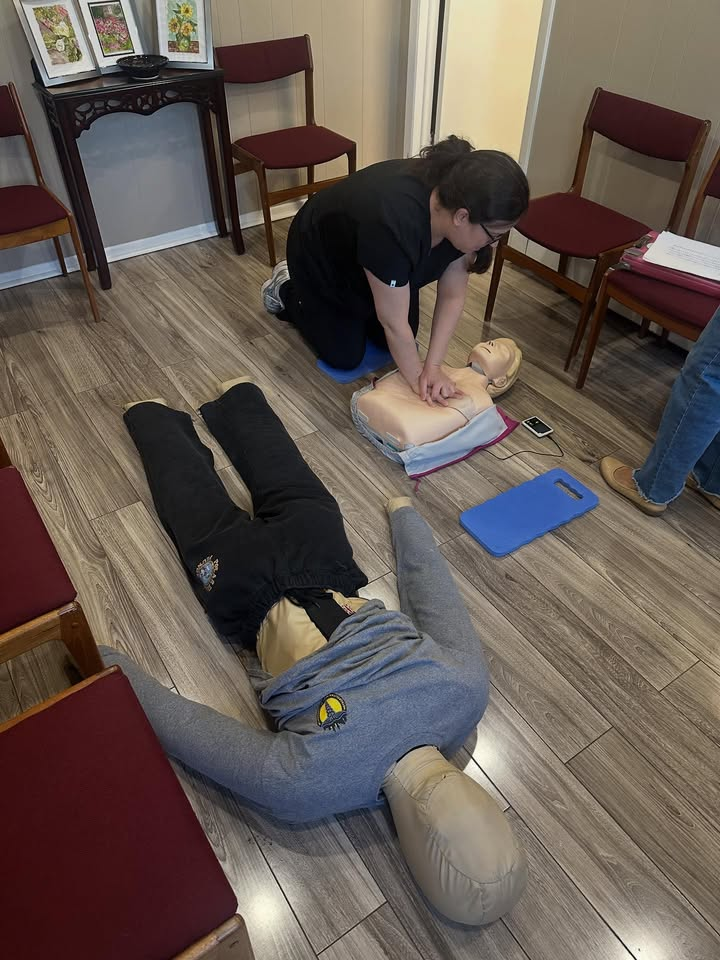
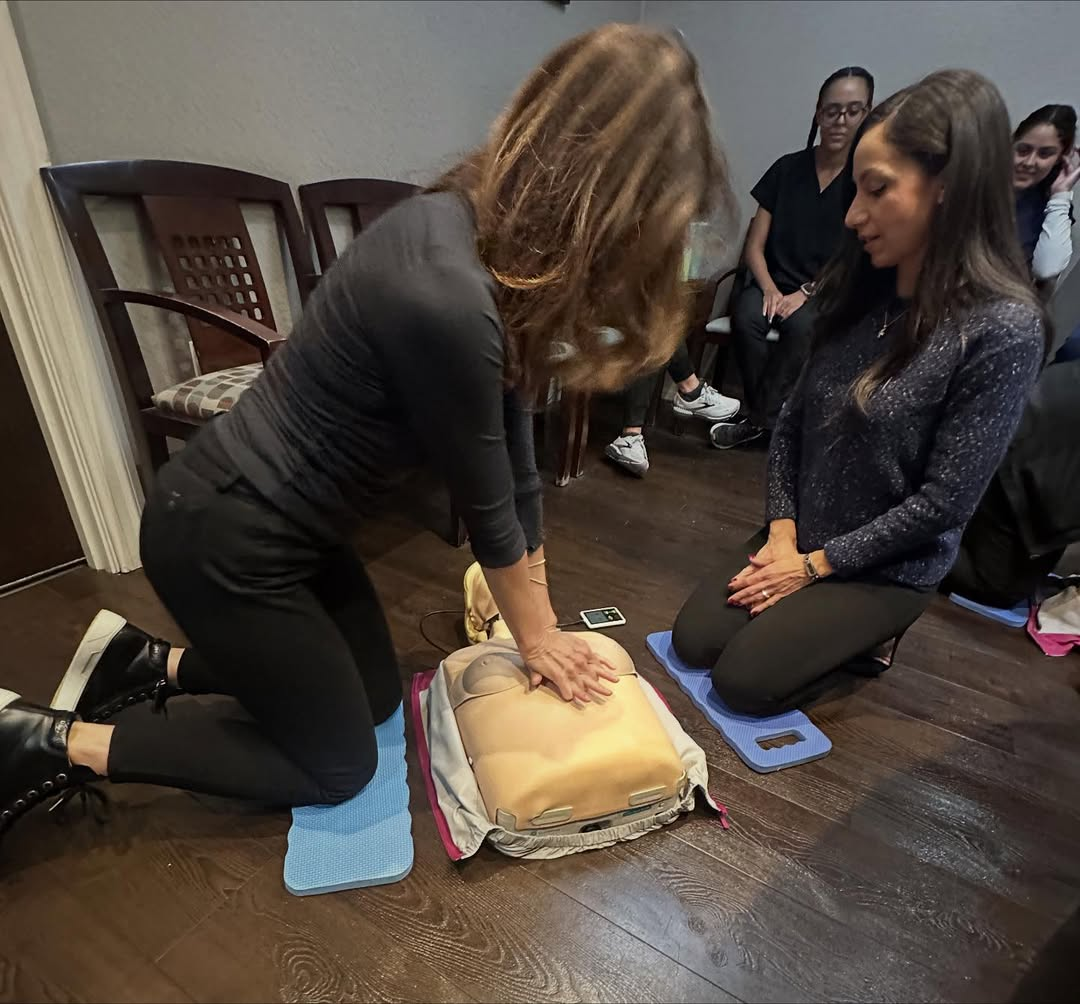
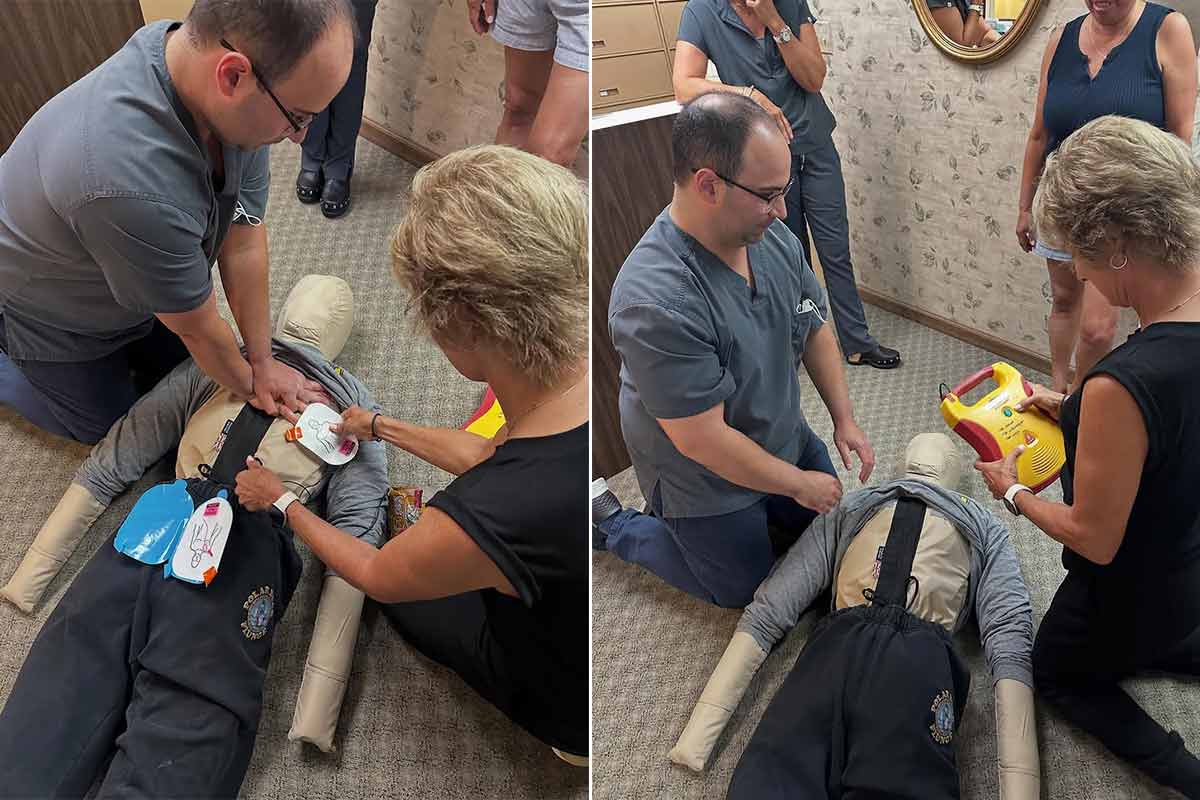
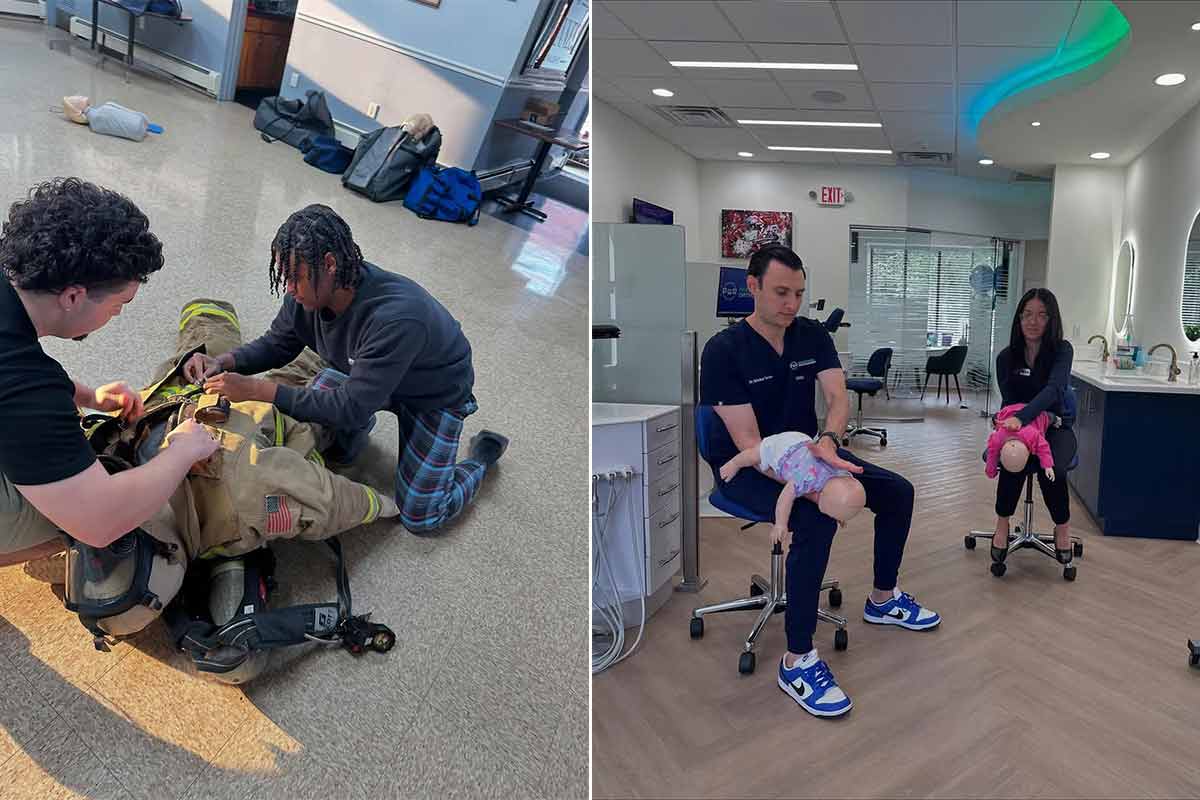
Training is hands-on from start to finish. Instead of watching slides, your team kneels on the floor, practices compressions, places AED pads and works through realistic scenarios. That’s what builds confidence.
Getting Your Docks Ready for Winter
November and December bring their own risks to Carlstadt warehouses. Open dock doors let in freezing air, trucks track in snow and ice, and early sunsets mean more work in low light.
Before the cold settles in, it’s a good time to:
- Refresh first aid skills for slips, falls and back injuries, which tend to rise when surfaces are wet or icy
- Teach the signs of cold stress, such as shivering, numb fingers and confusion, so coworkers can spot them early
- Check your first aid kits and restock items used during the year
- Confirm your AED is ready, with a green status light and pads and battery that haven’t expired
A short on-site session in late fall gets your crew ready for the busiest months of the year.
Who on Your Team Should Be Trained?
OSHA doesn’t set an exact number, so the right answer depends on your building, your shifts and your risks. A good place to start:
- At least one trained person on every shift, more for large floors or multiple buildings
- Shift leads and supervisors, since they’re usually first to respond
- Forklift and equipment operators who work in higher-risk areas
- Your safety committee and front office staff, who often make the 911 call and meet EMS at the door
The simplest option: train everyone in one or two group sessions. That way nobody has to wonder who’s certified, and new hires can join the next round.
Build a Simple Emergency Plan for Your Warehouse
Training works best when everyone knows the plan. Here’s a simple one any Carlstadt warehouse can put in place:
- Name your responders for each shift and post their names near the time clock.
- Mark your equipment. Put up clear signs for your AED and first aid kits, and keep them in the same spot.
- Make it easy for EMS to find you. Know your exact address, building number and which door or dock ambulances should use.
- Assign a greeter. One person meets EMS at the entrance and leads them to the injured worker.
- Practice. A quick drill once or twice a year keeps the plan fresh.
- Keep records. Store certification cards and renewal dates in one place so you know when to schedule the next session.
We’re happy to talk through your plan during our visit and suggest simple improvements.
Workplace First Aid Kits and AEDs for Warehouses
Training works best when the right supplies are within reach. MMC supplies:
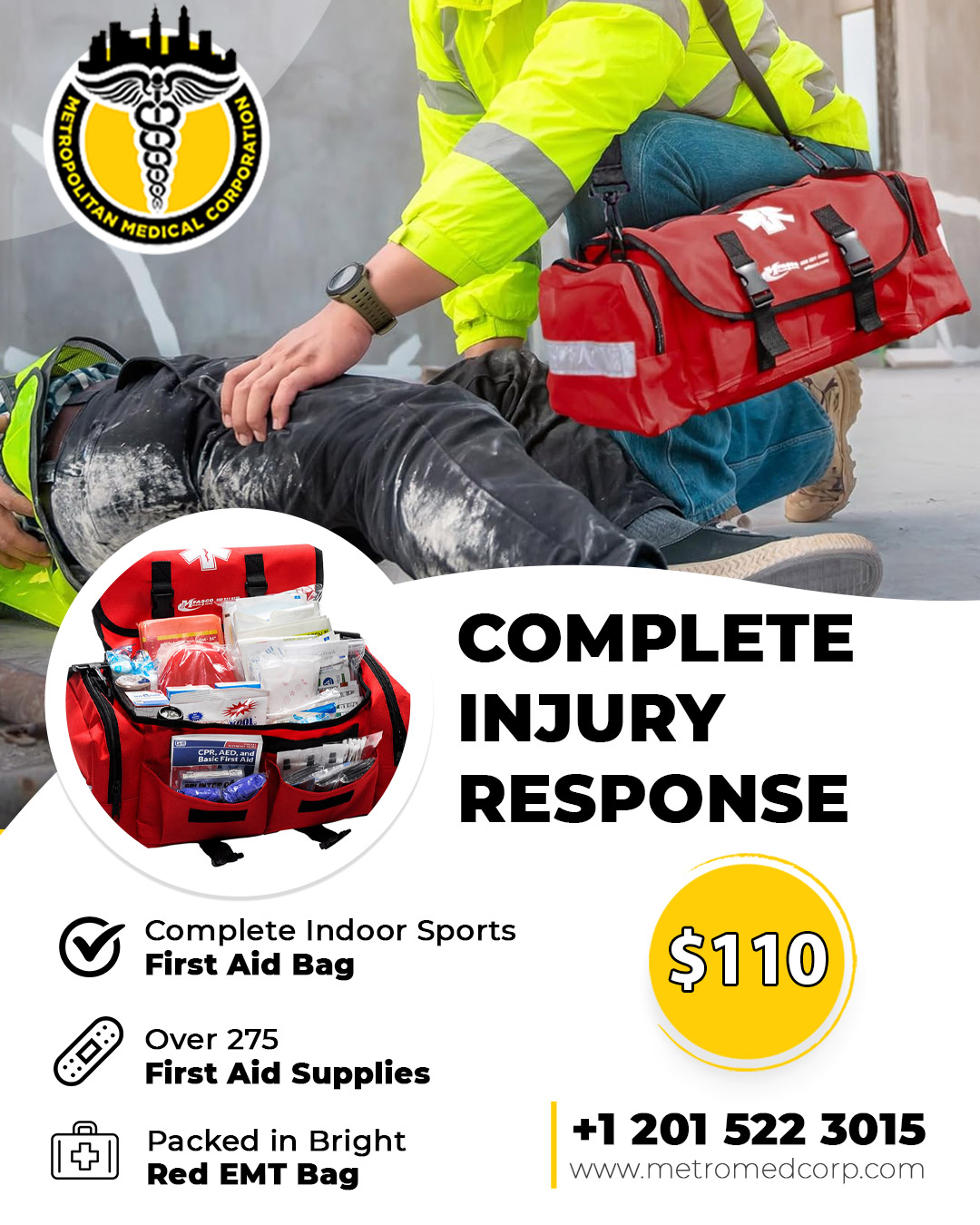
- Workplace first aid kits, including ANSI-style kits sized for your crew
- Bleeding control kits and finger cut kits for deeper cuts
- AEDs, plus service and maintenance agreements that keep pads and batteries up to date
- LifeVac choking rescue devices for break rooms and cafeterias
During our visit, we’re happy to look at what you have and suggest what’s missing. See our equipment or visit our shop.
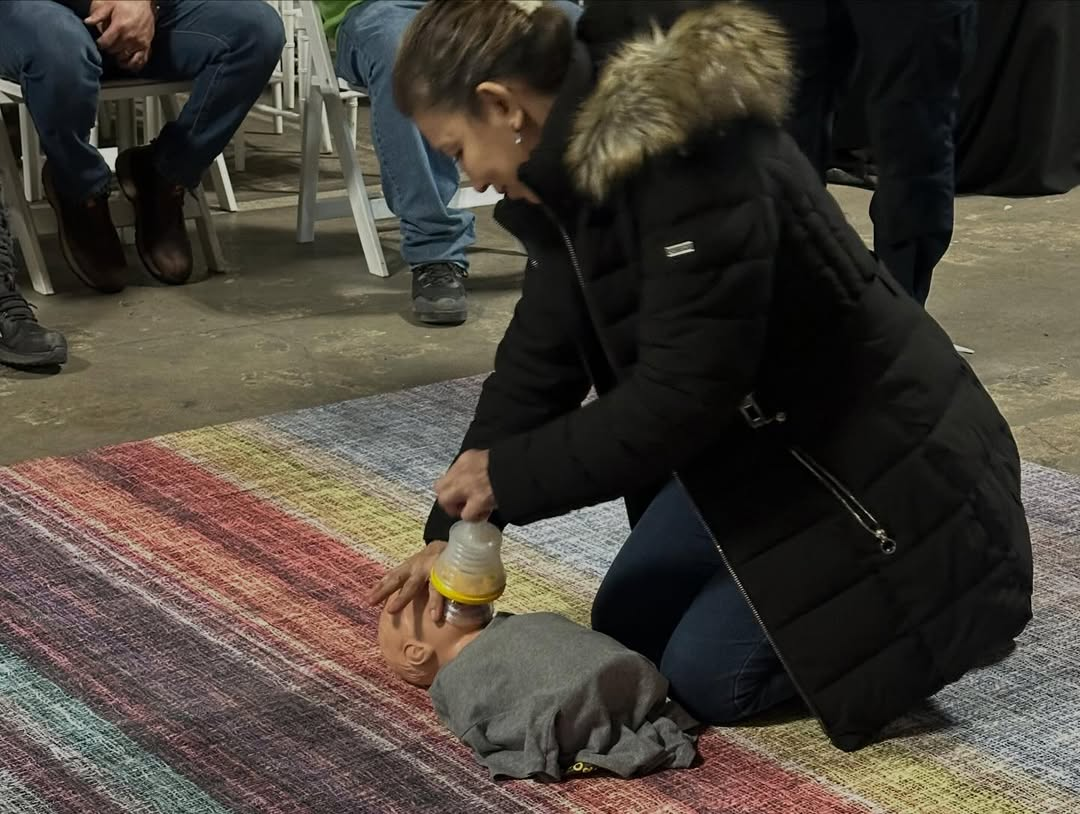
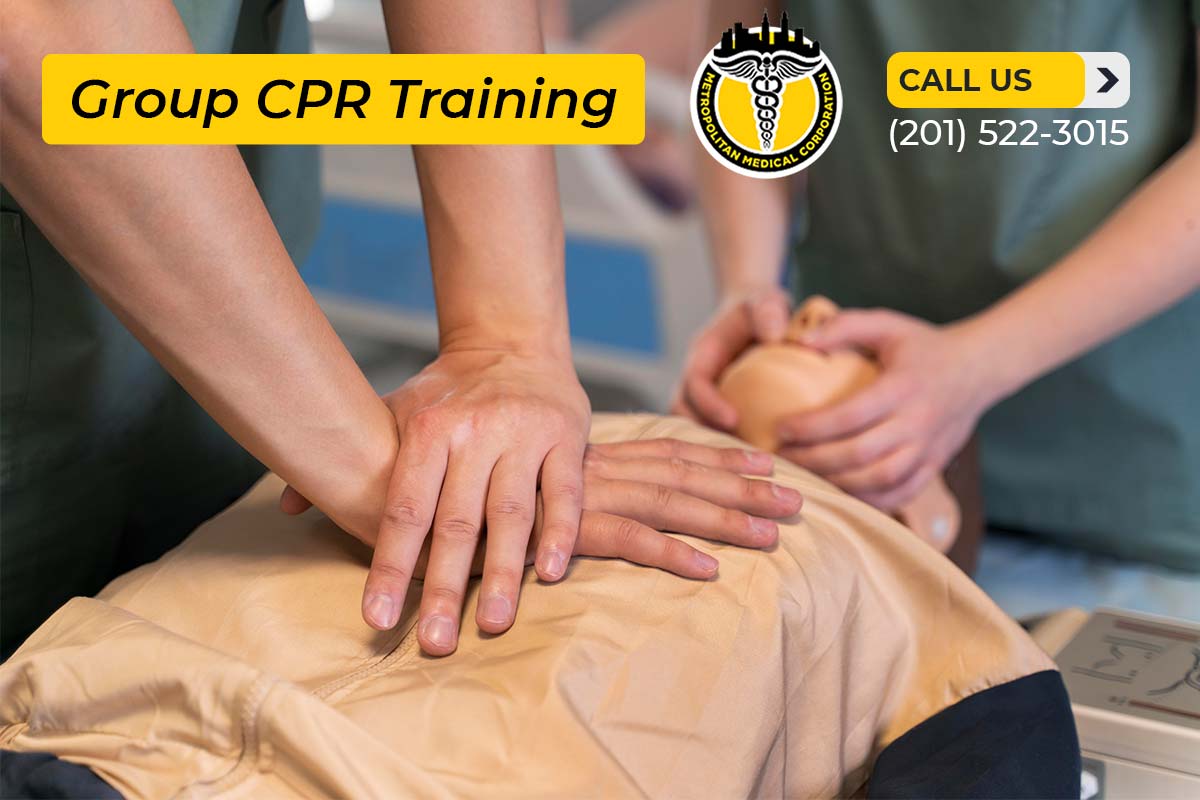
Staff member doing compressions beside the CPR feedback monitor
We also offer CPR and First Aid training in Spanish to better serve Carlstadt’s diverse workforce and ensure more employees can access essential life-saving training in their preferred language.
What On-Site CPR Training at Your Warehouse Looks Like
- Call us at (201) 522-3015 and tell us your team size, shifts and location.
- Pick your dates. We schedule around your busiest hours, including evenings or weekends if you need them.
- We arrive and set up. Our instructor brings manikins, AED trainers and all the supplies. You just need an open space.
- Hands-on practice. Your crew practices CPR, AED use, bleeding control and choking response, with plenty of time for questions.
- Scenarios in your space. We walk through what an emergency would look like in your building, from the dock to the office.
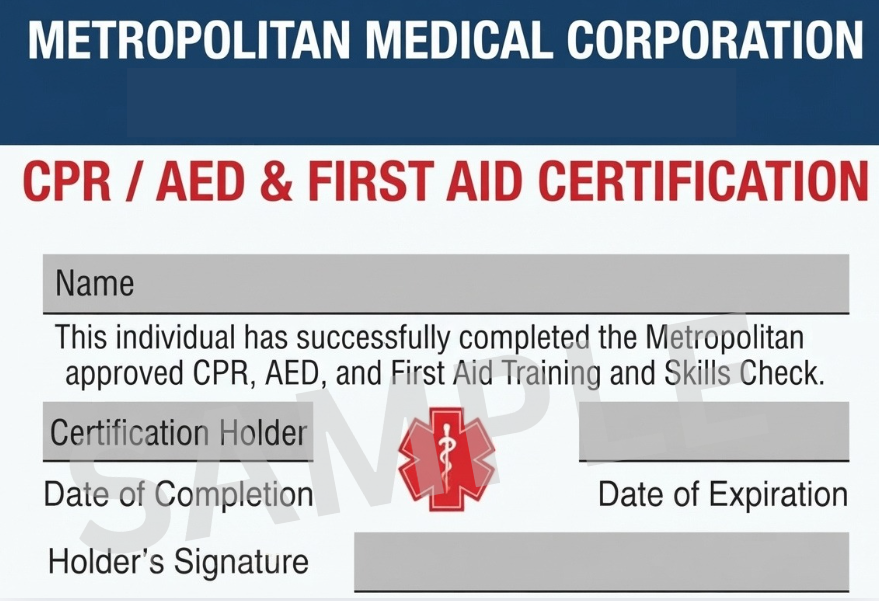
- Your crew gets certified. Everyone who completes the course receives a certification card.
For more about group training across New Jersey, see our guide to workplace and group CPR training.
Questions Warehouse Managers Ask Us
Does OSHA require first aid training at my warehouse? If there’s no clinic or hospital in near proximity, OSHA’s rule 1910.151(b) requires trained first aid responders on site. For workplaces where serious injuries can happen, OSHA has interpreted “near” as 3 to 4 minutes.
Do we need an AED? There’s no national rule requiring most employers to have one, but an AED combined with CPR training gives a coworker in cardiac arrest the best chance of survival. We can help you choose one and keep it maintained.
Can you train our night or weekend shift? Yes. We schedule sessions around your shifts so every crew gets trained.
How long does the training take? It depends on the course and your group size. We’ll give you an exact time when you book, and we can split large teams into several sessions.
How much space do we need? Just enough open floor for your team to kneel around a manikin. A break room or training room works great.
Do employees get a certification card? Yes. Everyone who completes the course receives CPR & First Aid certification, valid for one year.
Can new hires and experienced staff train together? Absolutely. Our instructors adjust to the group, so first-timers and experienced workers both get what they need.
Can you train teams outside Carlstadt? Yes. We serve businesses across North Jersey, including East Rutherford, Moonachie, Secaucus and Rutherford.
Let’s Get Your Crew Trained
Your team keeps Carlstadt moving. Let’s make sure they’re ready to help each other too. We’ll come to your warehouse, train everyone together and fit it around your shifts.
Call (201) 522-3015 or contact us to schedule on-site workplace CPR and First Aid training.