Why Summer Increases the Risk of Cardiac Arrest?
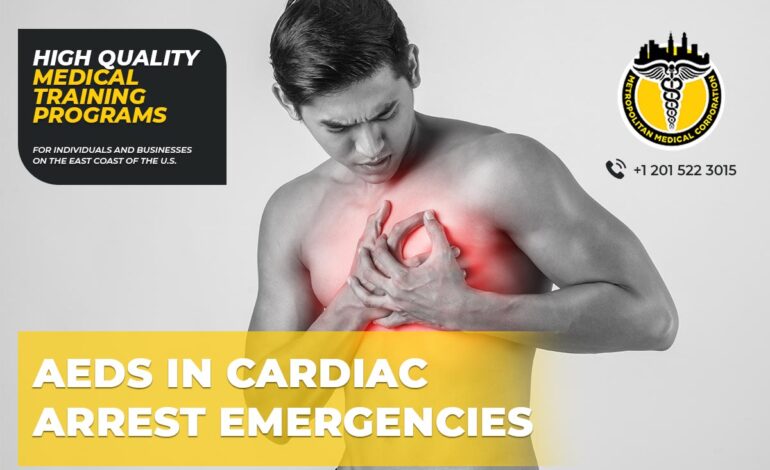
Automated External Defibrillators (AEDs) in Cardiac Arrest Emergencies
When summer hits, we all get excited about sunshine, vacations, pool parties, and outdoor fun. But along with the heat and seasonal activities comes an increase in certain medical emergencies – especially cardiac arrest.
In fact, summer conditions can heighten the risk of sudden cardiac arrest due to extreme temperatures, physical exertion, and water-related incidents. That’s why it’s so important to be prepared – and one of the best ways to do that is by having an Automated External Defibrillator (AED) on hand.
Automated external defibrillators: Do you need an AED?
Whether it’s the blazing sun or the adrenaline of a swim meet, several summer-specific factors can raise the risk of heart issues:
- Dehydration and heatstroke can place extra strain on the heart.
- Increased physical activity (hiking, sports, swimming) can trigger heart problems in vulnerable individuals.
- Cold water shock or sudden immersion in pools or lakes can induce arrhythmias or cardiac arrest, even in young, healthy individuals.
In these moments, every second counts. Being able to recognize the signs and take immediate action can mean the difference between life and death.
Signs of Sudden Cardiac Arrest
It’s important to know what to look for. Symptoms of sudden cardiac arrest include:
- Sudden collapse
- No pulse or breathing
- Loss of consciousness
- Chest pain or discomfort right before the event
What Is an Automated External Defibrillator (AED)?
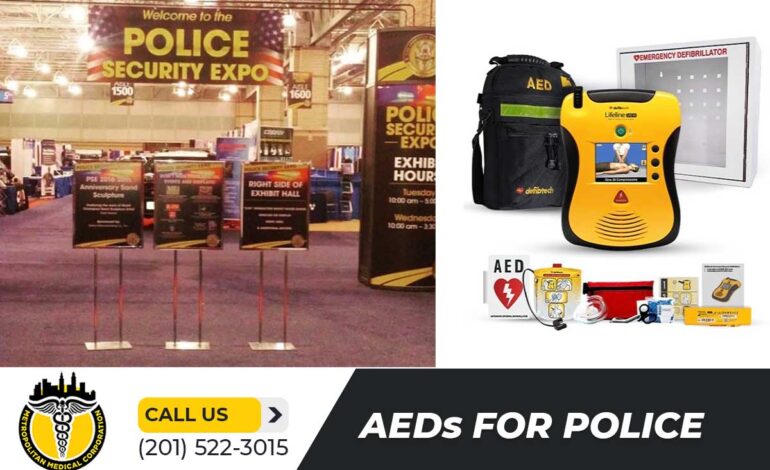
An AED is a lightweight, portable device that delivers an electric shock to help the heart restart in a person suffering from sudden cardiac arrest.
They’re designed to be user-friendly, even for individuals without medical training. Voice prompts guide you through each step – making it possible for bystanders to save lives before emergency personnel arrive.
You can now find Automated External Defibrillators (AEDs) in many public and private spaces where emergencies can happen, including:
- 🏫 Schools
- ✈️ Airports
- 🏛️ Government buildings
- 🏋️♂️ Gyms
- 🏢 Offices and public parks
Whether you’re caring for a loved one with a heart condition or simply want peace of mind, having an AED at home ensures your family is always prepared in case of a cardiac emergency.
Let us help you choose the right AED for your household. Because when it comes to your family’s safety, every second counts.
Who Should Consider Having an AED?
- Have a personal or family history of heart disease
- Live far from emergency services
- Work in high-risk environments or remote areas
- Care for elderly family members or those with chronic conditions
How to Use an AED: First Aid Training Saves Lives
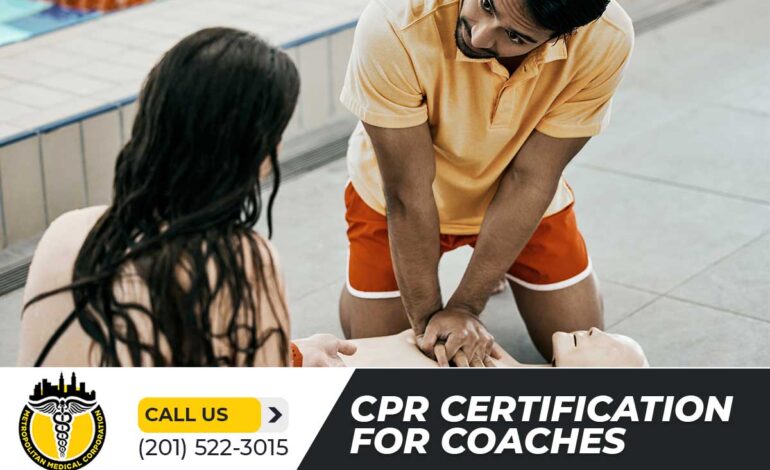
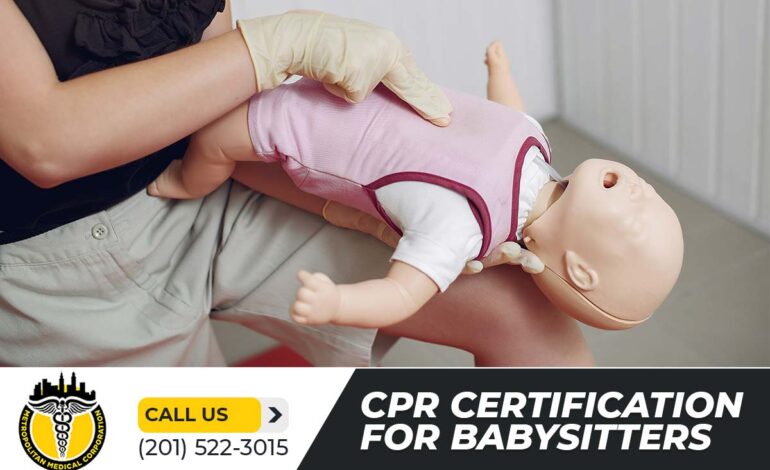
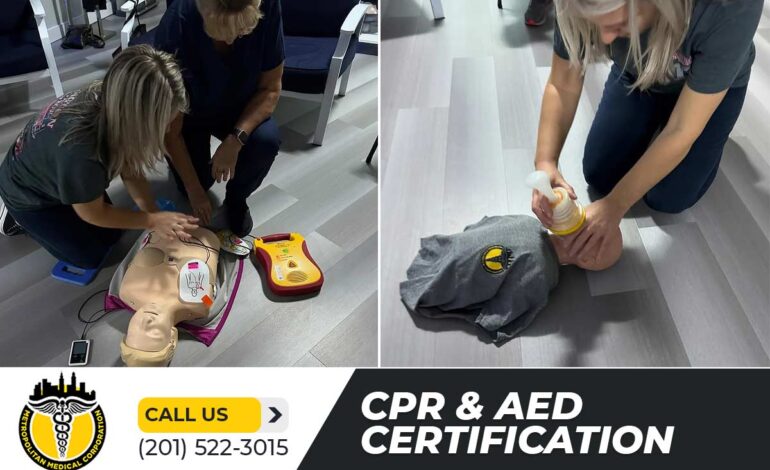
Using an AED doesn’t require medical experience, but taking a First Aid or CPR/AED certification class can give you the confidence to act in an emergency.
Here are the basic steps:
- Turn on the AED and follow the audio prompts.
- Expose the person’s chest and attach the electrode pads as shown.
- Make sure no one is touching the person.
- Let the AED analyze the heart rhythm.
- If needed, the AED will advise a shock—press the button to deliver it.
- Begin CPR if instructed and continue until help arrives.
Sudden cardiac arrest can happen anytime, anywhere. Being trained and equipped to handle it makes you a lifesaver. This summer, make safety a priority. Know the signs, learn CPR, and consider adding an AED to your emergency kit.
Need help choosing the right AED or safety equipment for your location?
Contact us today and let our team help you stay protected all season long.