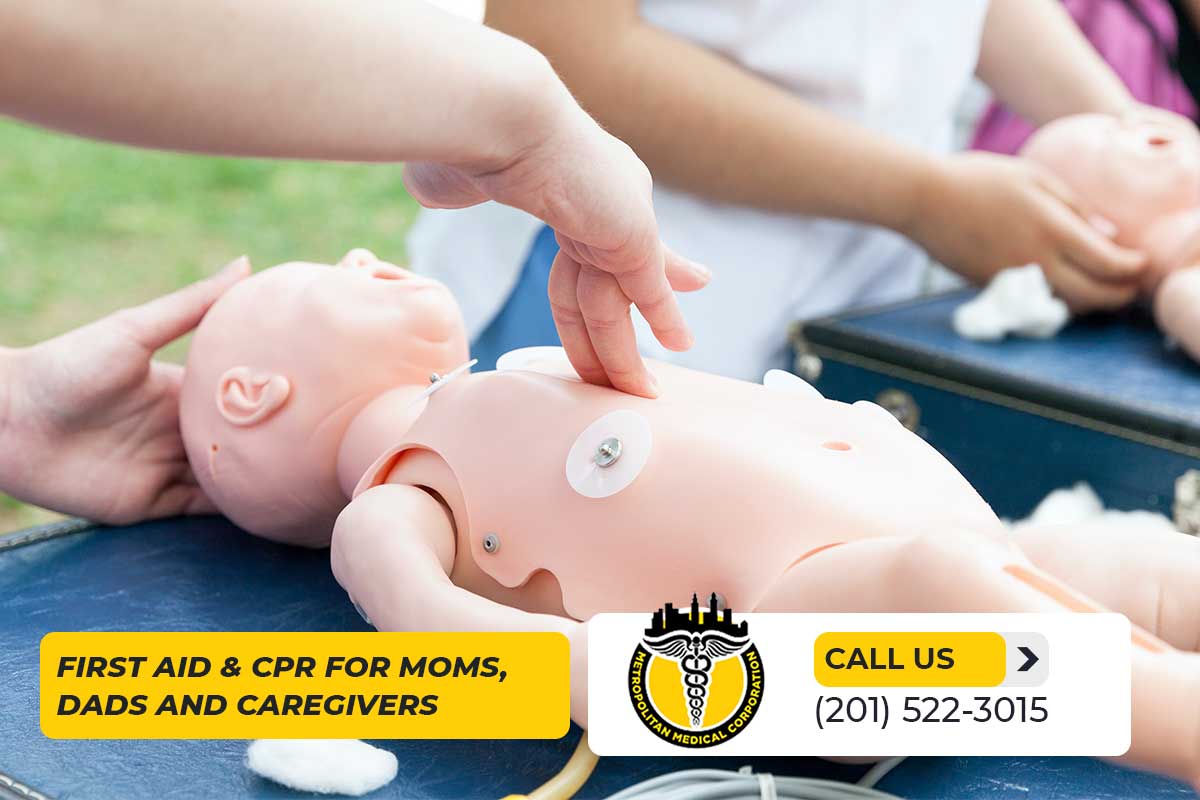
Family First Aid & CPR for Moms, Dads and Caregivers
Emergencies involving children or babies can happen in an instant. Whether you are a parent, a grandparent, or a childcare provider in New Jersey, New York or Connecticut knowing how to act quickly can be the difference between a tragedy and a recovery.
At Metropolitan Medical Corporation, we believe that every member of our community should feel empowered to act during a crisis. While this guide provides an overview of pediatric CPR, nothing replaces the confidence gained through hands-on, professional training.
Understanding CPR Basics for Parents
When to Act: Assessing the Situation
Before starting CPR, it is vital to know when the situation requires intervention. If a child or baby is not breathing or is breathing abnormally, follow these immediate steps:
- Check for Hazards: Ensure the area is safe for you and the child.
- Check Responsiveness:
- Child: Tap their shoulders firmly.
- Baby: Tap the bottom of their feet.
- Check Breathing: Look for chest movement and listen for breath. If they are not breathing, or breathing is abnormal, call your local emergency services immediately.
CPR Steps for Children and Babies
While waiting for professional help to arrive in NJ, follow these standardized steps:
For Children (1 to 18 years old)
- Rescue Breaths: Tilt the head back, pinch the nose, and seal your mouth over theirs. Give 5 initial rescue breaths.
- Compressions: Place one hand in the center of the chest. Push down about 5cm (one-third of chest depth) at a rate of 2 compressions per second. Perform 30 compressions.
- Cycle: Continue the cycle of 2 rescue breaths and 30 compressions until help arrives or a defibrillator is ready.
For Babies (Under 1 year old)
- Rescue Breaths: Cover both the nose and mouth with your mouth to create a seal. Give 5 initial rescue breaths.
-
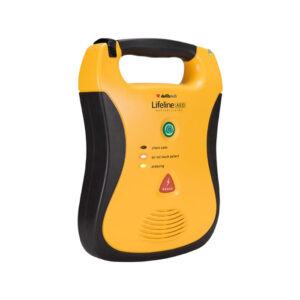
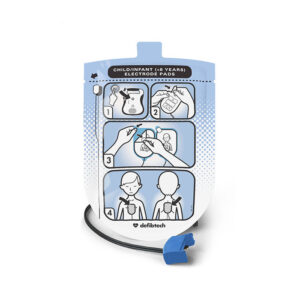
- Defibrillator use during CPR
- Note: If a defibrillator is available, use it immediately and follow the device’s audio prompts. Always prioritize using “child mode” or child-sized pads if they are available.
The Recovery Position
If the child or baby shows signs of life but is still unconscious, place them in the recovery position to keep their airway clear:
- For Children: Roll them onto their side, bend the top knee for support, and tuck their hand under their cheek.
- For Babies: Hold the baby in your arms, tilted slightly downward to prevent choking or the inhalation of vomit.
Final Thoughts On CPR Certification For Parents and Caregivers
Why Professional Training Matters
Reading a guide is a great first step, but muscle memory is built through practice. In a high-stress emergency, you don’t want to hesitate – you want to act.
At Metropolitan Medical Corporation in Lyndhurst, we provide comprehensive, hands-on CPR and First Aid training designed for real-world scenarios. Our certified instructors ensure you leave our class with the technical skills and the mental clarity needed to save a life.
Get certified on your own terms. Why travel for training when we can come to you?
At Metropolitan Medical Corporation, we specialize in bringing pediatric CPR and First Aid certification directly to your home or facility.
Whether you are an individual looking to learn or organizing a group session, we make it simple.
Click here to book training. Phone: (201) 522-3015